A salary is a metronome; freelance income is jazz. Some months are huge, some are quiet, and the bills arrive at the same time regardless. A “runway” — money set aside to cover that unevenness — is what turns an irregular income into a calm one.
Aim for 3–6 months of essentials
Add up the bare minimum you need each month — rent, food, utilities, software, insurance — and multiply by three to six. That’s your target buffer. It doesn’t need to appear overnight; it needs to exist before the next quiet stretch does.
Pay yourself a steady “salary”
Instead of spending whatever lands, decide on a fixed monthly amount to draw. In a big month, the surplus stays in a separate pot; in a thin month, you top up from it. Your day-to-day account sees a steady number even when income swings.
Separate the money that isn’t yours
Two slices of every payment are not spending money:
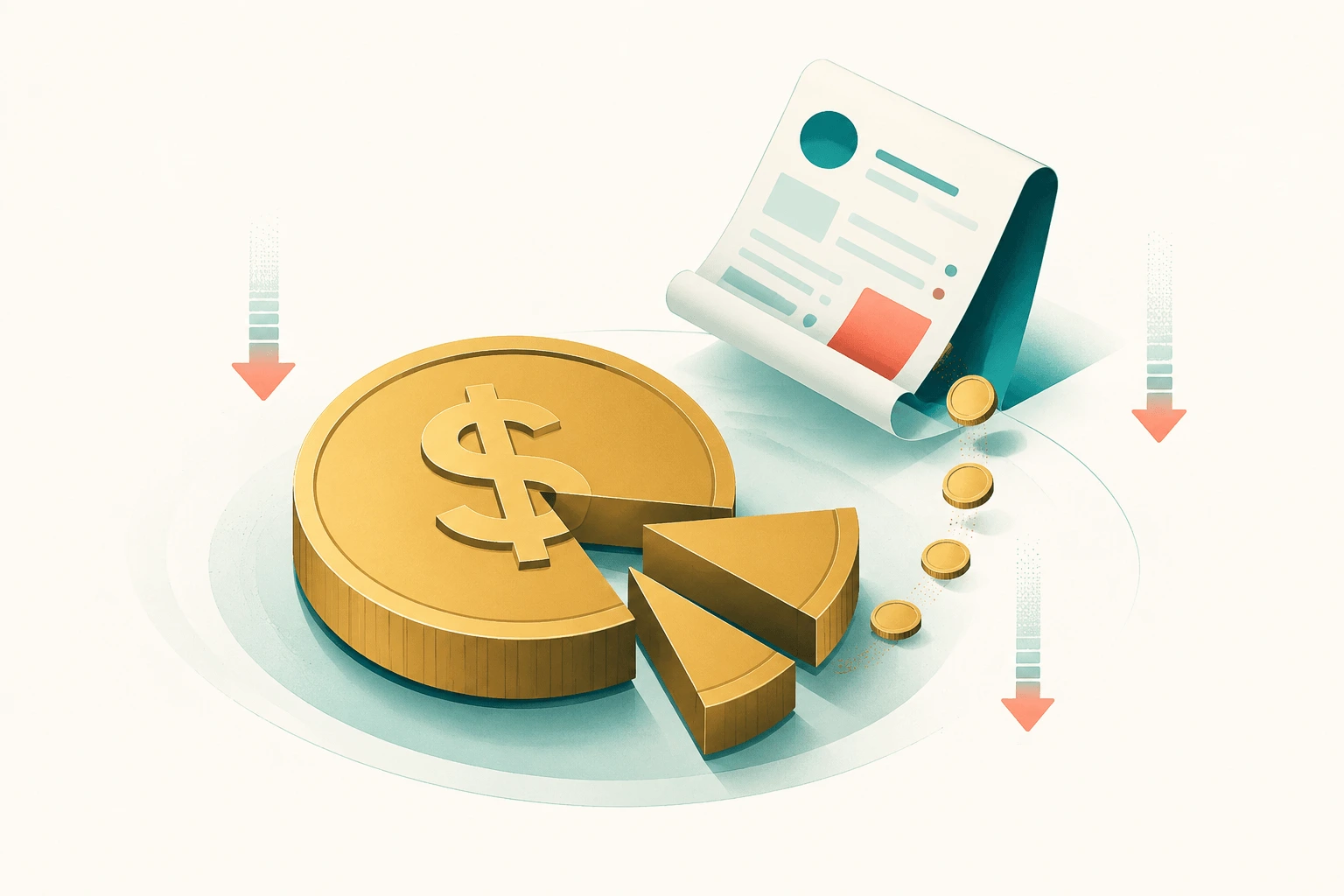
- Tax — set aside 25–30%. Move it the moment you’re paid, into a pot you don’t touch. A surprise tax bill is the classic runway-killer.
- The buffer — pay it first. Treat saving like an invoice to yourself, due on payday.
Smooth the timing, not just the amount
Half of cash-flow stress is timing — money that’s owed but hasn’t landed. Two things help:
- Invoice immediately and clearly so payments arrive sooner — our invoicing checklist covers the details.
- Get paid on fast rails. Receiving USD by domestic ACH rather than a 5-day wire means your runway refills when you expect it to.
Keep currency from eroding it
If you earn dollars but save in a weakening local currency, inflation quietly shortens your runway. Holding part of your buffer in USD — or, deliberately, in stablecoins — protects its purchasing power until you need it.
Start smaller than you think
One month of expenses is already a different life than zero. Automate a percentage of every payment into your buffer, leave it alone, and let good months do the heavy lifting. The goal isn’t to get rich — it’s to make the quiet months boring.